


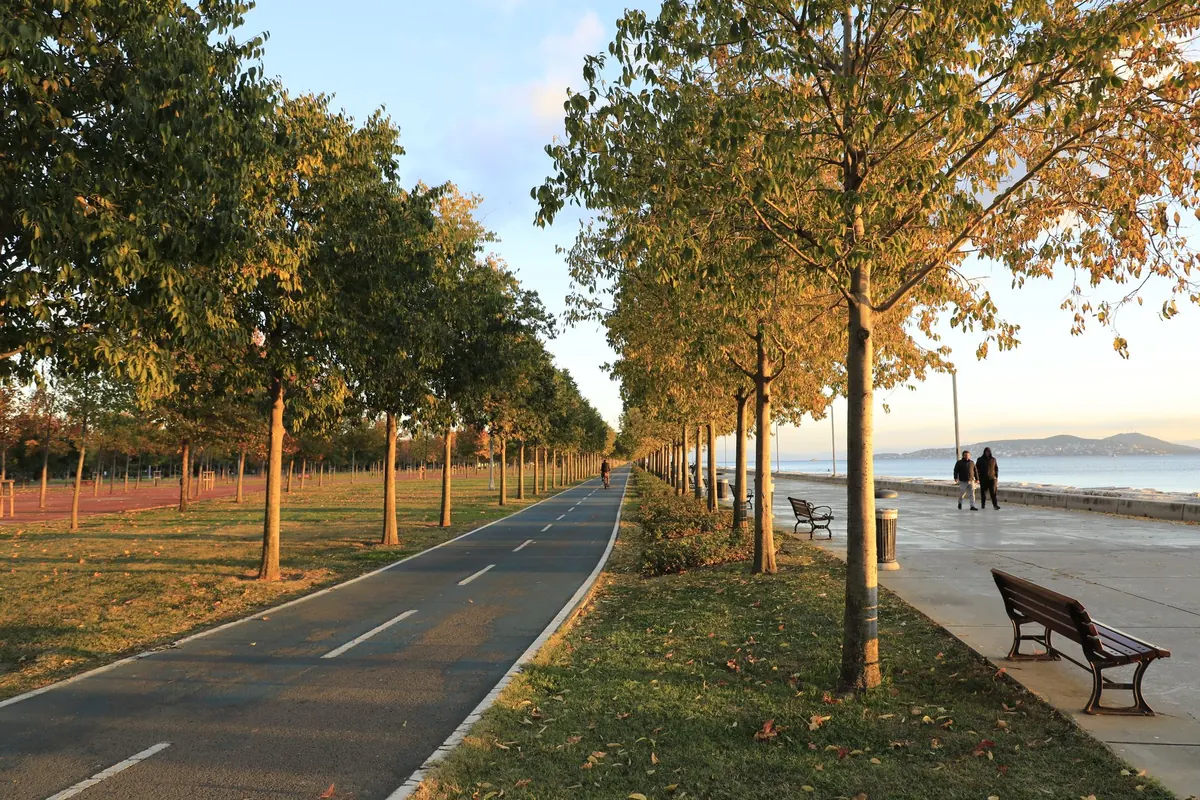
Island Wildlife in Autumn: A Seasonal Checklist for Coastal Paths
Autumn on the coast does not arrive all at once. It comes in stages: the last swifts gone, the first waders back, bracken turning from green to rust. On island paths, where weather and tide set the rhythm of the day, those changes are easier to read than almost anywhere else. What follows is a month-by-month checklist of what to look and listen for, plus the habits that make an autumn walk more rewarding.
September: The Quiet Handover
Summer visitors are leaving, but not all at once. Swallows and house martins gather on wires, in reedbeds and along sheltered hedges before their long flight south, and on a still morning you can hear them chattering well before you see them. In coastal scrub, look for wheatears and whinchats hopping ahead of you along the fence line, and the occasional spotted flycatcher perched on a dead branch, waiting for insects.
On estuaries and sandy bays, the winter waders are already back: curlews probing the mud, oystercatchers piping at low tide, ringed plovers running in short bursts along the strandline. Insect life is still strong if the weather stays mild. Ivy in full flower is the single best place to look, and a sunny south-facing wall of it will be humming with red admirals, commas and the last painted ladies.
October: Migration Weather
October is the month for looking up. Clear nights followed by a wet, northerly morning often drop migrants onto the first bushes they can find, so berry-laden hawthorn, rowan and sea buckthorn are worth a slow, patient scan. Redwings and fieldfares arrive from Scandinavia, often in loose flocks, and both give themselves away by call as much as by sight: a thin, high tseep from the redwing, a hard, chuckling rattle from the fieldfare.
Overhead, listen for geese. Brent geese and pink-footed geese arrive to winter on estuaries and coastal grassland, and their flocks move most at dawn and dusk on fine, calm days. If a westerly gale blows through, head for a headland shelter and watch the sea instead: gannets, skuas, auks and the occasional shearwater pass close inshore in rough weather, and a small telescope is worth the weight in a rucksack.
On the ground in October
Short coastal turf turns up waxcaps — small, waxy caps in scarlet, yellow and pale violet — while birches carry fly agaric, unmistakable and best admired rather than collected. Golden plover, dunlin and sanderling move onto open beaches and wet fields, often in mixed flocks that rise and swirl as one when a peregrine passes.
November: Settlers and Short Days
By November the season has settled. Starlings gather over piers, reedbeds and old buildings in the late afternoon, and their murmurations are worth planning an outing around; arrive half an hour before sunset and wait. Rough coastal grassland becomes the hunting ground of short-eared owls, which fly by day here far more than most owls do — low, flappy, moth-like, with pale underwings. Some islands also hold hen harriers in winter; the female and young birds, grey-brown with a bright white rump, are the ones you are most likely to see.
Grey seal pupping starts in early autumn in the south-west and runs later as you go north, so November is prime time in many places. Pups in their white fur are obvious from a clifftop, which is exactly where you should stay. Keep well back, keep dogs away, and never position yourself between a seal and the sea.
What to Carry on an Autumn Coastal Walk
- Binoculars of 8x30 or 8x42 — light enough to carry all day, powerful enough for seawatching.
- A tide table, printed or on your phone, plus a note of sunset. Autumn days shorten quickly.
- Layers and a genuinely waterproof outer shell. Coastal wind makes ten degrees feel like four.
- Decent boots and spare socks. Paths after rain become streams with ambitions.
- A small waterproof notebook and pencil. You will not remember the details by evening.
- A hand torch or head torch for the walk back from a murmuration or an owl watch.
Plants, Berries and the Wrack Line
Autumn fruit is everywhere on island edges: hawthorn haws, rosehips, sloes in the blackthorn, orange sea buckthorn on the dunes, elderberries in the hedges. Gorse keeps flowering in mild spells, giving a coconut scent to a November afternoon, and saltmarsh plants put on the season's best colour show — sea aster purple, glasswort and orache turning crimson and amber.
After a gale, the strandline is worth fifteen minutes of your time. Kelp, sea belt and other wracks pile up in tangled ropes, and turning a frond reveals sandhoppers, small crabs and the occasional mermaid's purse. If you are tempted to forage, be careful: many coastal sites are nature reserves or protected areas where picking is not allowed, and it is always worth checking local byelaws first. Leave plenty of berries for the birds — they need them more than most of us need another jar of sloe gin. And never eat a mushroom identified only from a book or an app; if you want to learn, go out with someone experienced.
Tracks and Signs Along the Path
Wet mud after rain turns a footpath into a record of the night's activity. Look for the five-toed, star-shaped prints of otters and their spraint, left on flat rocks and ledges; it smells faintly of fish and usually contains small bones. Deer slots, fox scats and badger latrines all read clearly in soft ground. Under fence posts and roost trees you may find owl pellets — small, grey, felted parcels of fur and bone.
Waders roosting on beaches at high tide need distance, and so do hauled-out seals. Approach slowly, keep low, and stop as soon as an animal lifts its head. A few birds flying off because of you is an unnecessary cost to them on a cold day.
Getting the Best From an Autumn Walk
Time your outings with the tide and the light. Low water opens up rockpools and exposed sand for waders; the two hours either side of it are the most productive. Walk into the low sun with the wind behind you where you can, because birds and animals are far less likely to notice you. Stop often. Ten minutes standing still beside a hedge or a reedbed will show you more than an hour of steady walking.
Tell someone your route and expected return, carry a phone in a dry bag, and take cliff edges and wet rock seriously — coastal paths crumble quietly and without warning. Most of all, go out in ordinary weather. Drizzle, cloud and a stiff breeze are not a reason to stay in; they are usually the conditions that bring the birds in close and keep the paths to yourself.
Photo: MEHMET SÜTLAŞ / Pexels