


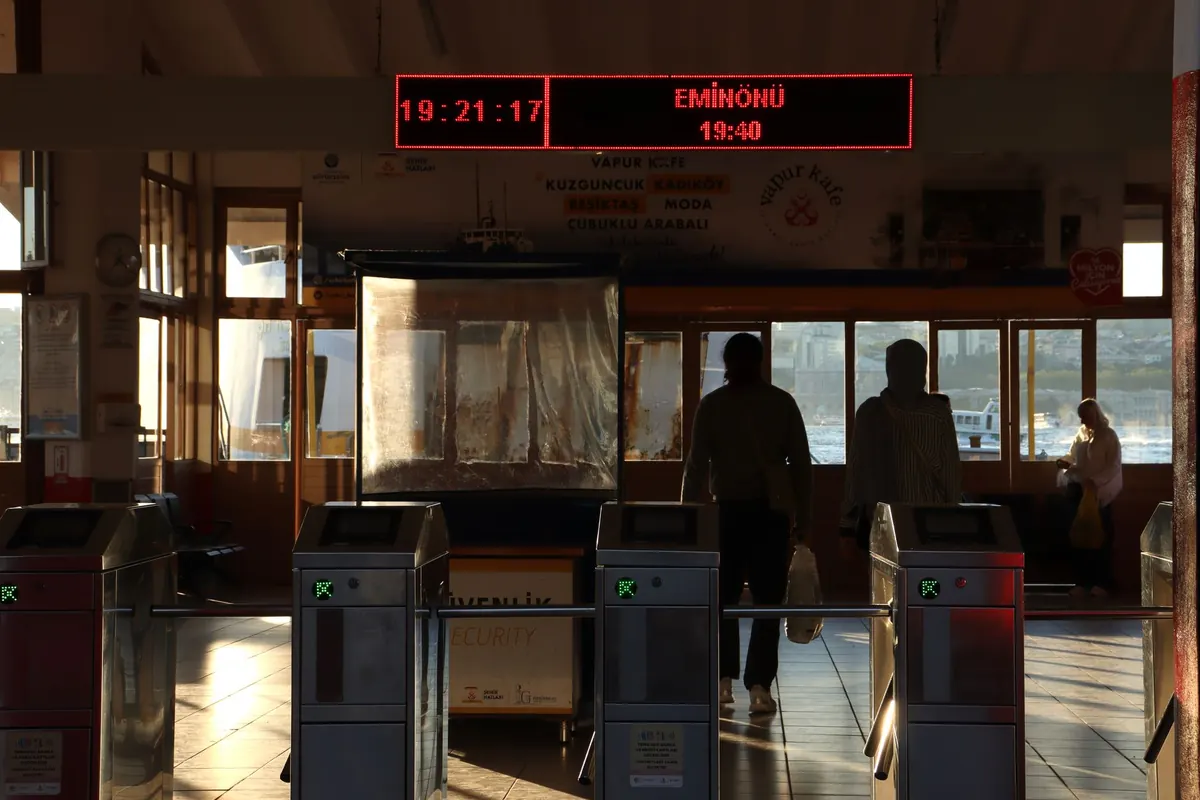
Island Ferry Tickets Compared: Foot Passenger, Car and Season Pass Options
Anyone who lives on an island learns quickly that the ferry is not just transport. It is the timetable your life runs on. Miss the last crossing and you are sleeping in a car park on the mainland, or paying for a hotel you never budgeted for. So it pays to know exactly what each ticket type gives you before you book.
The options look similar across most UK island routes, even where the operator and vessel differ. You are essentially choosing between travelling on foot, taking a vehicle, or committing to a pass if you cross often. What changes is the price, how far ahead you can book, and how much freedom you have to change your mind.
Foot Passenger Tickets: The Simple Default
For a day trip, a hospital appointment, or a weekend away without the car, a foot passenger ticket is almost always the cheapest way across. Most operators price these per person, per direction, with reduced rates for children and sometimes for students, seniors and island residents.
The key thing to understand is that foot passenger tickets are usually the most flexible product on the menu. On many routes you can turn up and buy at the pier, though popular sailings in summer do sell out. If you are travelling on a route where foot passengers are capped by the vessel's certificate, booking even a day ahead protects you from a wasted journey.
Return tickets deserve a look. Some operators charge almost the same for a return as for two singles, while others knock off a meaningful percentage. If your dates are fixed, a return booked in one go is rarely the wrong choice.
One warning for anyone connecting to trains or flights: build in slack. Weather cancels sailings, and a foot passenger stranded at the terminal is not usually compensated for a missed connection.
Car and Vehicle Crossings: Where Costs Climb
Taking a vehicle changes the maths completely. Vehicle tickets are normally priced by the length of the car, van or motorhome, plus the number of people inside, and the return leg is often charged at a different rate to the outbound.
Booking early matters far more here. Car decks fill first, particularly on Friday afternoons, Sunday evenings, and any week containing a school holiday. On some routes the difference between booking a month out and booking a week out is not just price but availability.
A few practical points worth checking before you pay:
- Measured length: roof boxes, bike racks and tow bars can push you into a higher band. Measure the vehicle as it will actually be loaded.
- Passenger count: some fares include the driver only, with others added per head.
- Arrival time: most operators ask you to check in well before departure. Turning up ten minutes before sailing is a gamble.
- Amendments: changing a vehicle booking often carries a fee, and sometimes the difference in fare if you move to a peak sailing.
- Alternative ports: if your nearest route is full or expensive, a longer drive to a different crossing can still work out cheaper.
If you only need the car occasionally, compare the cost of a vehicle return against parking on the mainland plus foot passenger fares. On shorter routes, parking and walking on genuinely competes.
Season Passes and Multi-Journey Tickets
This is where regular travellers save real money, but the products vary enough that you should read the terms rather than assume.
What passes typically cover
Most island operators offer something in the family of a season ticket, a book of tickets, or a resident discount scheme. They usually fall into these shapes:
- Unlimited season pass: a set period, often monthly or annual, with unlimited crossings for a named person or vehicle. Best for commuters and people making several trips a week.
- Multi-journey books: buy ten or twelve crossings at a lower rate, use them whenever. Good if your travel is irregular but frequent.
- Resident schemes: discounted fares for people living on the island, often tied to proof of address and sometimes to a vehicle registered locally.
- Student and young person rates: term-time travel at reduced prices, usually requiring evidence of enrolment.
The break-even point is worth calculating honestly. Divide the pass price by the single fare you would otherwise pay. That tells you how many crossings you need to make it worthwhile. If the answer is more trips than you realistically take, a book of tickets is the better fit.
Read the small print
Season passes are rarely as unrestricted as they sound. Common conditions include blackout dates around major events, no guarantee of space on a particular sailing, restrictions on which vessels or routes you can use, and a requirement to book ahead even with a pass. Some passes cover the passenger but not the car, or the car but not additional passengers.
Also check whether the pass is transferable. A named pass cannot usually be lent to a friend or family member, which matters if you split crossings between households.
Booking Windows and Flexibility
Booking windows vary by operator and route, but the pattern is fairly consistent. Timetables are usually published months in advance, and bookings open somewhere between a few months and a year ahead. Sailings that coincide with festivals, school breaks and public holidays go first.
Flexibility is the trade-off. The cheapest tickets tend to be the least changeable. Some are non-refundable, some allow a date change for a fee, and some allow it free if you give enough notice. A slightly dearer flexible fare can be the sensible purchase if your plans are shaky.
If you are weighing up options, this order usually works:
- Fix your dates as far ahead as you can, then book the cheapest fare that allows changes.
- Check whether a return beats two singles on your route.
- Estimate your annual crossings and compare a pass against pay-as-you-go.
- Confirm check-in times, vehicle measurements and luggage rules before paying.
A Short Practical Checklist
Before you commit to any ticket, confirm the following: the exact sailing time and check-in deadline, whether the fare includes all passengers, what happens if the sailing is cancelled, the amendment and refund conditions, and whether a resident or student discount applies to you. Keep your booking reference somewhere that does not depend on a phone signal, because island coverage can be patchy.
It is also worth signing up to the operator's service updates, and checking the forecast the day before you travel in winter. None of this takes long, and it saves a great deal of stress when the weather turns. For anything involving large sums, long-term commitments or disputed fares, it is sensible to check the operator's conditions of carriage directly rather than relying on what someone told you at the terminal.
Photo: Esra Nur / Pexels